As a veterinarian with over a decade of experience treating feline patients, I can confidently say that cat hairballs are one of the most common concerns I hear from worried pet owners. While the occasional hairball is normal for our feline companions, frequent or severe hairball issues can indicate underlying health problems that require professional attention. This comprehensive guide will help you understand everything about cat hairballs, from why they form to cutting-edge prevention strategies based on the latest veterinary research.
What Are Cat Hairballs? Understanding the Basics
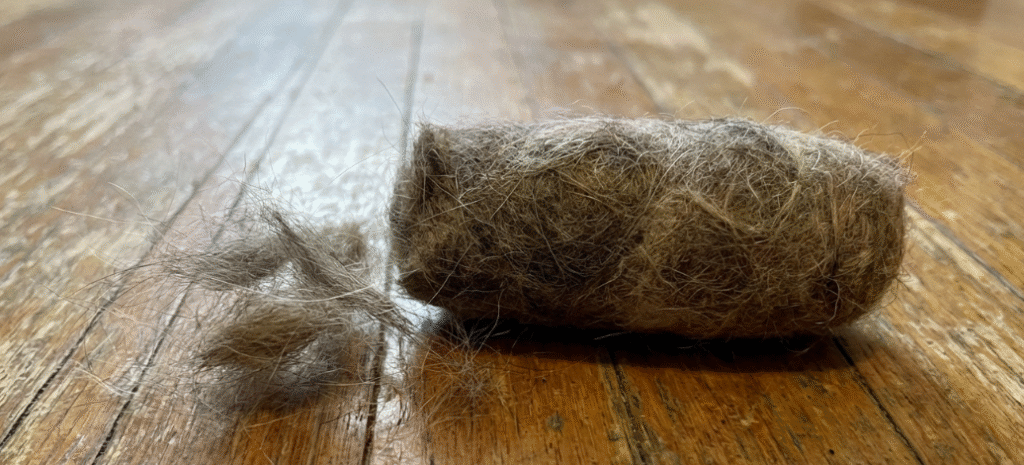
Cat hairballs, medically termed trichobezoars, are cylindrical masses of hair that accumulate in your cat’s digestive tract and are subsequently vomited up. Despite the name “hairball,” these expelled masses are typically tubular or cylindrical in shape due to their passage through the esophagus, not round balls as many people imagine.
The formation of cat hairballs is directly linked to your cat’s grooming behavior. Cats are meticulous self-groomers, spending approximately 30-50% of their waking hours grooming themselves, according to research published in the Journal of Veterinary Behavior (2024). During this grooming process, their tongue—covered with tiny, backward-facing barbs called papillae—catches loose and dead hair, which is then swallowed.
Under normal circumstances, this ingested hair passes through the digestive system and is eliminated in feces. However, when excessive amounts of hair accumulate in the stomach, it forms a cat hairball that cannot pass through the intestines and must be regurgitated instead.
The Science Behind Cat Hairball Formation
Understanding why cat hairballs develop requires knowledge of feline anatomy and physiology. The cat’s tongue is uniquely designed with hundreds of keratin spines that function like a natural comb. While this design is excellent for removing debris, parasites, and loose fur, it also means that hair removal is unavoidable during grooming.
Recent studies in Veterinary Medicine International (2025) have shown that the average domestic cat swallows approximately 30% of the loose hair removed during grooming sessions. In healthy cats with normal digestive motility, this hair typically moves through the gastrointestinal tract without issue. However, several factors can disrupt this process and lead to cat hairball formation:
Digestive Motility Issues: When the normal muscular contractions of the stomach and intestines (peristalsis) slow down, hair remains in the stomach longer, allowing larger cat hairballs to form.
Excessive Shedding: Cats experiencing seasonal coat changes, hormonal imbalances, or dermatological conditions shed more fur, increasing the volume of hair ingested during grooming.
Compulsive Grooming Behaviors: Cats dealing with anxiety, stress, pain, or skin irritation may over-groom, consuming excessive amounts of hair that overwhelm the digestive system’s ability to process it.
Primary Causes of Cat Hairballs
1. Normal Grooming in Long-Haired Breeds
Long-haired cat breeds such as Persians, Maine Coons, Ragdolls, and Himalayans are significantly more prone to cat hairballs. A 2024 study in the Journal of Feline Medicine and Surgery found that long-haired cats experience hairballs three to five times more frequently than short-haired breeds. The increased hair length and density mean more hair is swallowed during routine grooming.
2. Seasonal Shedding Cycles
Most cats experience increased shedding during spring and fall as they transition between winter and summer coats. During these periods, even short-haired cats may develop cat hairballs more frequently. Indoor cats with artificial light exposure may shed year-round, though typically less dramatically than outdoor cats.
3. Underlying Skin Conditions
Dermatological problems trigger excessive grooming and increased cat hairball production. Common culprits include:
- Flea allergy dermatitis
- Food allergies or sensitivities
- Environmental allergies (atopic dermatitis)
- Fungal infections like ringworm
- Parasitic conditions such as mange
- Bacterial skin infections
Cats with these conditions groom excessively in an attempt to relieve itching or discomfort, dramatically increasing hair ingestion.
4. Gastrointestinal Disorders
Conditions affecting the digestive tract can impair hair passage and promote cat hairball formation. According to research in Veterinary Clinics of North America: Small Animal Practice (2025), inflammatory bowel disease (IBD), intestinal parasites, foreign body obstructions, and gastrointestinal motility disorders all increase hairball frequency.
5. Psychological Factors
Psychogenic alopecia—compulsive over-grooming due to stress, anxiety, or boredom—represents a significant cause of excessive cat hairballs. Environmental changes, introduction of new pets, lack of environmental enrichment, and separation anxiety can all trigger this behavior.
6. Inadequate Dietary Fiber
Dietary fiber plays a crucial role in moving hair through the digestive tract. Cats consuming diets low in appropriate fiber types may experience reduced gastrointestinal motility, allowing cat hairballs to form more readily.
Recognizing Cat Hairball Symptoms
While occasional cat hairballs are normal—typically one or two per month for long-haired cats, less frequently for short-haired breeds—certain symptoms warrant veterinary attention:
Classic Hairball Signs:
- Gagging, retching, or hacking sounds (often mistaken for coughing)
- Expulsion of tubular hair masses
- Increased grooming frequency
- Decreased appetite before vomiting
- Lethargy or listlessness
Warning Signs Requiring Immediate Veterinary Care:
- Attempting to vomit without producing anything (could indicate obstruction)
- Vomiting multiple times daily
- Presence of blood in vomited material
- Abdominal pain or swelling
- Constipation or inability to defecate
- Complete loss of appetite for 24+ hours
- Progressive lethargy or weakness
- Weight loss
These severe symptoms may indicate that a cat hairball has caused a gastrointestinal obstruction—a potentially life-threatening emergency requiring immediate intervention.
Professional Diagnosis of Cat Hairball Problems
When cat hairballs become frequent or severe, comprehensive veterinary evaluation is essential. My diagnostic approach typically includes:
Physical Examination
A thorough hands-on examination helps identify underlying causes. I palpate the abdomen for masses, pain, or distension; assess skin and coat quality; evaluate body condition; and check for signs of dehydration or systemic illness.
Diagnostic Imaging
Radiography (X-rays): Abdominal radiographs can reveal intestinal obstructions, though cat hairballs themselves may not always be visible unless they’re very large or mixed with other material.
Ultrasound: Abdominal ultrasonography provides detailed visualization of the stomach and intestinal contents, wall thickness, and motility patterns. This imaging modality is particularly useful for identifying partial obstructions from cat hairballs.
Laboratory Testing
Complete Blood Count (CBC): Evaluates for anemia, infection, or inflammatory conditions.
Serum Chemistry Panel: Assesses organ function, electrolyte balance, and overall metabolic health.
Thyroid Testing: Hyperthyroidism in older cats can increase grooming behavior and alter gastrointestinal motility, contributing to cat hairballs.
Fecal Examination: Identifies intestinal parasites that might cause digestive upset or increased grooming.
Advanced Diagnostics
For complex or refractory cases of cat hairballs, additional testing may include:
- Endoscopy to visualize the stomach and remove large hairballs
- Intestinal biopsies if inflammatory bowel disease is suspected
- Allergy testing for underlying allergic dermatitis
- Behavioral assessment for psychogenic over-grooming
Evidence-Based Treatment for Cat Hairballs
Treatment strategies for cat hairballs depend on severity and underlying causes. Here’s my systematic approach based on current veterinary guidelines:
Immediate Management of Acute Hairball Episodes
Hairball Lubricants: Petroleum-based lubricants (like commercial hairball remedies) or natural alternatives such as coconut oil help cat hairballs pass through the digestive tract. I typically recommend 1/2 to 1 teaspoon administered 2-3 times weekly between meals.
Increased Hydration: Ensuring adequate water intake softens stool and promotes intestinal motility. Strategies include providing multiple water sources, using cat water fountains, offering wet food, and adding water or low-sodium broth to meals.
Dietary Modification: Switching to specialized hairball control formulas containing increased fiber (both soluble and insoluble) helps move hair through the system. These diets typically contain 3-7% crude fiber, compared to 2-3% in standard cat foods.
Treatment of Underlying Causes
Dermatological Conditions: Addressing skin problems requires targeted therapy—flea control for flea allergies, antifungal medications for ringworm, elimination diets for food allergies, or immunotherapy for environmental allergies.
Gastrointestinal Disorders: Inflammatory bowel disease may require dietary management with novel protein or hydrolyzed protein diets, corticosteroids, or other immunosuppressive medications. Intestinal parasites are treated with appropriate deworming protocols.
Behavioral Issues: Psychogenic over-grooming often responds to environmental enrichment, pheromone therapy (like Feliway), anti-anxiety medications when appropriate, and addressing stressors in the household.
Motility Disorders: Prokinetic medications such as metoclopramide or cisapride may be prescribed to enhance gastrointestinal motility and reduce cat hairball formation in cats with documented motility problems.
Surgical Intervention
In rare cases where cat hairballs cause complete intestinal obstruction unresponsive to medical management, surgical removal becomes necessary. This procedure, called a gastrotomy or enterotomy, involves opening the stomach or intestines to remove the obstructing hairball mass.
Comprehensive Prevention Strategies for Cat Hairballs
Prevention is invariably more effective than treatment when managing cat hairballs. These evidence-based strategies significantly reduce hairball frequency:
1. Regular Brushing and Grooming
Consistent brushing removes loose hair before your cat can swallow it during self-grooming. Research published in Veterinary Dermatology (2025) demonstrated that daily brushing reduced cat hairball incidents by 60-80% in long-haired cats.
Grooming Frequency Recommendations:
- Long-haired cats: Daily brushing, 10-15 minutes
- Medium-haired cats: 3-4 times weekly, 5-10 minutes
- Short-haired cats: 2-3 times weekly, 5 minutes
Grooming Tool Selection:
- Slicker brushes for removing loose undercoat
- Metal combs for detangling and finishing
- Deshedding tools (like FURminator) during heavy shedding periods
- Grooming gloves for cats sensitive to traditional brushes
2. Specialized Hairball Control Diets
Modern hairball formulas incorporate multiple strategies to reduce cat hairball formation:
Increased Fiber Content: Both soluble fiber (which forms a gel-like substance aiding hair passage) and insoluble fiber (adding bulk to stool and promoting motility) work synergistically.
Enhanced Digestibility: High-quality, easily digestible proteins reduce the volume of material in the intestines, making room for hair to pass more readily.
Omega Fatty Acids: EPA and DHA from fish oils improve skin and coat health, reducing excessive shedding that contributes to cat hairballs.
Specialized Ingredients: Some formulas include psyllium husk, beet pulp, or other natural fiber sources proven effective for cat hairball management.
A 2025 study in the Journal of Animal Physiology and Animal Nutrition found that cats fed specialized hairball diets for 8 weeks experienced a 70% reduction in hairball frequency compared to those on standard diets.
3. Hairball Prevention Supplements
Petroleum-Based Lubricants: Traditional remedies remain effective when used regularly. Administer 1/2 to 1 teaspoon 2-3 times weekly.
Natural Alternatives: Slippery elm bark, pumpkin puree (1-2 teaspoons daily), and psyllium husk powder provide natural fiber and lubrication.
Specialized Supplements: Products containing enzymes, probiotics, and omega fatty acids support overall digestive health and reduce cat hairball formation.
4. Hydration Enhancement
Adequate water intake is critical for preventing cat hairballs. Strategies to increase consumption include:
- Providing fresh water in multiple locations
- Using cat water fountains (many cats prefer moving water)
- Offering ice cubes as treats
- Adding water or low-sodium broth to dry food
- Feeding moisture-rich canned or raw diets
According to research in the Journal of Feline Medicine and Surgery (2024), cats consuming primarily wet food had 40% fewer cat hairball episodes than those eating exclusively dry food.
5. Environmental Enrichment
Reducing stress and boredom decreases compulsive grooming behaviors that contribute to excessive cat hairballs:
Physical Enrichment:
- Cat trees and vertical spaces
- Window perches for bird watching
- Rotating toy selection
- Interactive play sessions (15-20 minutes twice daily)
Mental Stimulation:
- Puzzle feeders and food-dispensing toys
- Training sessions using positive reinforcement
- Safe outdoor access via catios or supervised leash walks
Social Enrichment:
- Appropriate interaction with humans
- Companionship from compatible feline housemates
- Predictable routines and schedules
6. Professional Grooming Services
For long-haired breeds or cats resistant to home grooming, professional grooming every 6-8 weeks can significantly reduce cat hairball problems. Professional groomers can also provide sanitary trims (removing fur around the rear end) and lion cuts during summer months to minimize shedding.
Advanced Innovations in Cat Hairball Management (2026 Updates)
Recent veterinary research has introduced several promising developments in cat hairball prevention and treatment:
Novel Probiotic Formulations
Emerging evidence suggests that specific probiotic strains (particularly Lactobacillus and Bifidobacterium species) may enhance gastrointestinal motility and improve hair passage. A 2025 clinical trial published in BMC Veterinary Research showed that cats receiving multi-strain probiotics experienced 45% fewer cat hairballs over a 12-week period.
Advanced Fiber Technologies
New generation hairball diets incorporate carefully balanced fiber matrices that mimic the digestive effects of natural prey. These formulations provide optimal ratios of soluble to insoluble fiber for maximum efficacy against cat hairballs.
Enzyme Supplementation
Proteolytic enzymes that help break down the keratin proteins in hair show promise in reducing cat hairball size and frequency, though more research is needed to establish optimal dosing protocols.
When Cat Hairballs Indicate Serious Problems
While most cat hairballs represent a minor nuisance, certain patterns suggest more serious underlying conditions:
Red Flags:
- More than 2-3 cat hairballs weekly
- Progressive increase in hairball frequency
- Hairballs accompanied by weight loss
- Visible bald patches from over-grooming
- Changes in stool consistency or frequency
- Behavioral changes or decreased activity
These symptoms warrant comprehensive veterinary evaluation to identify and address underlying health issues.
Special Considerations for Senior Cats
Older cats face unique challenges regarding cat hairballs. Age-related conditions like hyperthyroidism, chronic kidney disease, and osteoarthritis can all increase hairball frequency:
Hyperthyroidism: Increases metabolic rate and may intensify grooming behavior, leading to more cat hairballs.
Kidney Disease: Altered electrolyte balance can affect gastrointestinal motility, impairing hair passage.
Arthritis: Reduces grooming ability in some cats while causing over-grooming of painful areas in others.
Senior cats experiencing cat hairballs require thorough health screening to identify age-related diseases contributing to the problem.
Cost-Effective Cat Hairball Prevention
Managing cat hairballs doesn’t require expensive interventions. Budget-friendly strategies include:
- Daily brushing (grooming tools: $10-30)
- Adding canned pumpkin to meals ($2-4 per can, lasting weeks)
- Providing multiple water bowls (minimal cost)
- DIY puzzle feeders from cardboard boxes
- Regular play sessions with homemade toys
These simple measures effectively reduce cat hairballs for most cats without significant financial investment.
Conclusion: Taking Control of Cat Hairballs
Cat hairballs, while common, need not be an inevitable part of life with feline companions. Understanding the underlying mechanisms of cat hairball formation, recognizing when frequency becomes abnormal, and implementing evidence-based prevention strategies empowers cat owners to dramatically reduce or eliminate this frustrating problem.
The key to successful cat hairball management lies in a multi-faceted approach: regular grooming to remove loose hair before ingestion, specialized diets that promote hair passage, adequate hydration to support digestive function, environmental enrichment to minimize stress-related over-grooming, and prompt veterinary attention when hairballs become frequent or severe.
By following the 2026 guidelines outlined in this comprehensive guide, you can keep your cat comfortable, healthy, and free from the discomfort of excessive cat hairballs. Remember that every cat is an individual—what works optimally for one may require adjustment for another. Work collaboratively with your veterinarian to develop a personalized cat hairball prevention plan tailored to your feline friend’s specific needs, lifestyle, and health status.
With consistent implementation of these strategies, most cats can enjoy dramatically reduced cat hairball frequency, improved digestive comfort, and enhanced overall quality of life.