Dog urinary incontinence can be stressful to live with—for you and your dog. As a veterinarian, I want to reassure you that dog urinary incontinence is common, often treatable, and not something you should feel guilty about. The key is understanding why it’s happening and getting the right plan in place.
In this guide, I’ll walk you through the most common causes of dog urinary incontinence, what signs to watch for, how veterinarians diagnose it, and the most effective treatment options available today.
What Is Dog Urinary Incontinence?
Dog urinary incontinence means a dog is leaking urine involuntarily—not choosing to urinate in the wrong place. It often happens while resting or sleeping. Many owners notice wet bedding, damp fur around the rear end, or urine dribbling without the dog seeming aware.
Dog urinary incontinence is different from:
- House-training problems (behavior-related)
- Frequent urination due to bladder irritation (the dog is aware and trying to urinate)
- Marking (territorial behavior)
Common Signs of Dog Urinary Incontinence
Dog urinary incontinence may look subtle at first. Here are the most typical signs:
| Sign | What You Might Notice at Home | Why It Matters |
|---|---|---|
| Wet spots where your dog sleeps | Damp bed, urine smell in blankets | Classic “leak while relaxed” pattern |
| Dribbling urine | Drops of urine when walking or standing | Can point to sphincter weakness or neurologic issues |
| Damp fur/skin irritation | Redness, rash near vulva/prepuce | Urine scald can lead to infection |
| Increased licking | Licking genitals more often | Often due to irritation or urinary tract infection |
| Urine odor on coat | Persistent smell despite cleaning | Ongoing leakage |
| Recurrent UTIs | Repeated vet visits for infection | Incontinence can predispose to infection, and vice versa |
If you’re seeing these signs, dog urinary incontinence is a reasonable concern—and it’s worth a veterinary visit.
What Causes Dog Urinary Incontinence?
There isn’t one single cause of dog urinary incontinence. In practice, I categorize it into a few major buckets.
1) Urethral Sphincter Mechanism Incompetence (USMI)
This is the most common cause of dog urinary incontinence in spayed female dogs, especially medium-to-large breeds. The urethral sphincter doesn’t stay tightly closed, so urine leaks—often during sleep.
Risk factors commonly include:
- Spayed females
- Larger breeds
- Middle-aged to older dogs
2) Urinary Tract Infection (UTI) or Bladder Inflammation
A UTI doesn’t always cause true incontinence, but it can cause urgency and accidents that owners interpret as dog urinary incontinence. Some dogs develop leakage due to inflammation.
3) Hormonal/Endocrine Disease (e.g., Diabetes, Cushing’s)
Conditions that increase thirst and urine volume can lead to accidents. The dog may not be able to hold urine as long. This can mimic dog urinary incontinence.
4) Anatomic Abnormalities (Ectopic Ureters, Congenital Issues)
Young dogs—especially females—may leak urine from puppyhood. Ectopic ureters (ureters that enter the bladder in an abnormal location) are a classic congenital cause of dog urinary incontinence.
5) Neurologic Causes
Spinal disease, disc issues, nerve damage, and certain neurologic disorders can disrupt bladder control. These dogs may have weakness in the hind end, altered tail tone, or trouble starting/stopping urination.
6) Prostate Disease (in Intact Male Dogs)
In intact males, prostate enlargement or infection can contribute to urinary issues that may resemble dog urinary incontinence.
Quick “Cause Clues” Table (Helpful for Owners)
| Pattern You Notice | More Common Causes | Next Best Step |
|---|---|---|
| Leaking while asleep, otherwise normal | USMI (especially spayed females) | Vet exam + urinalysis |
| Straining, frequent small urination | UTI, bladder stones | Urinalysis ± imaging |
| Increased thirst + large urine volume | Diabetes, Cushing’s | Bloodwork + urinalysis |
| Leaking since puppyhood | Ectopic ureters | Imaging (ultrasound/CT) |
| Hind-end weakness, knuckling, back pain | Neurologic causes | Neuro exam + imaging |
How Veterinarians Diagnose Dog Urinary Incontinence
To treat dog urinary incontinence properly, we need to confirm the underlying cause. A typical workup may include:
- History questions
- When does leakage happen (sleeping vs awake)?
- Any increased drinking?
- Any straining or blood in urine?
- Spay/neuter status and timing?
- Physical exam
- Vulvar anatomy, bladder size, neurologic reflexes, body condition.
- Urinalysis (often the first key test)
- Checks for infection, crystals, glucose, concentration.
- Urine culture
- Especially if UTI is suspected or recurring.
- Bloodwork
- Screens for endocrine disease and kidney issues.
- Imaging (X-rays/Ultrasound/CT)
- Looks for stones, masses, prostate enlargement, congenital issues.
This approach aligns with current veterinary standards for urinary disorders and incontinence workups as described in major clinical references and consensus guidance used in practice (e.g., WSAVA guidance on urinalysis/culture practices and commonly cited internal medicine texts).
Treatment Options for Dog Urinary Incontinence
Treatment for dog urinary incontinence depends on the cause. Here’s what is most commonly used in real-world veterinary care.
A) Medical Treatment for USMI (Sphincter Weakness)
| Medication | How It Helps Dog Urinary Incontinence | Notes |
|---|---|---|
| Phenylpropanolamine (PPA) | Tightens urethral sphincter | Common first-line for USMI; avoid or monitor in some heart disease cases |
| Estriol (estrogen therapy) | Improves urethral tone | Often used in spayed females; dose tailored to lowest effective |
| Combination therapy | Better control when one drug alone isn’t enough | Your vet may combine PPA + estriol |
Many dogs with USMI respond very well and live totally normal lives with long-term management.
B) If Infection Is the Cause
- Antibiotics based on culture results (not guesswork whenever possible)
- Follow-up testing to ensure the infection is truly cleared
C) Bladder Stones or Masses
- Prescription diets (for certain stone types)
- Surgery or minimally invasive options depending on stone type/size
- Ongoing prevention plan (diet + monitoring)
D) Congenital Problems (Ectopic Ureters)
- Surgical correction or interventional procedures depending on anatomy
- Some dogs still need medication afterward
E) Neurologic Incontinence
- Treat underlying spinal disease when possible
- Bladder expression techniques (if retention occurs)
- Medications tailored to bladder function (your vet may discuss options based on bladder tone)
Home Care Tips That Make a Big Difference
Even with excellent medical treatment, dog urinary incontinence can require lifestyle support. These practical steps help protect your dog’s skin and your home:
| Home Strategy | Why It Helps | Practical Tip |
|---|---|---|
| Waterproof bedding / washable covers | Reduces odor and cleanup | Use layered bedding so you can swap quickly |
| Frequent bathroom breaks | Reduces bladder volume | Last potty break right before bedtime |
| Keep rear end clean and dry | Prevents urine scald | Use pet-safe wipes, then dry thoroughly |
| Barrier creams (vet-approved) | Protects irritated skin | Ask your vet which products are safe |
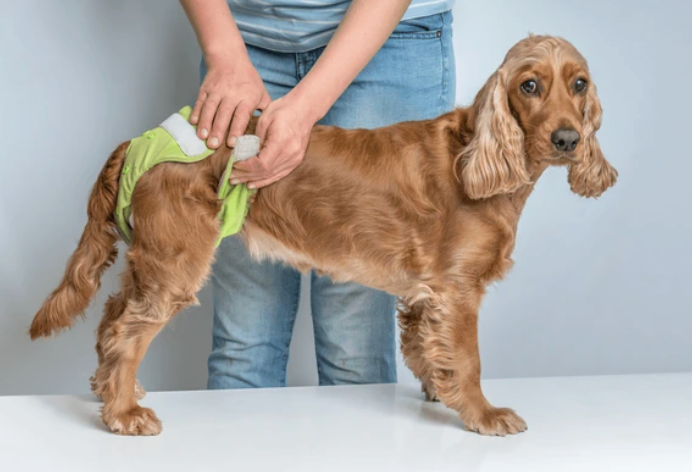
| Dog diapers (short-term tool) | Helps during flare-ups | Change often to prevent dermatitis |
If you use diapers, be vigilant—trapped moisture can cause skin infection quickly.
When Dog Urinary Incontinence Is an Emergency
Dog urinary incontinence is usually not an emergency, but seek urgent veterinary care if you notice:
- Inability to urinate or painful straining
- Bloated abdomen (possible bladder obstruction)
- Lethargy, vomiting, fever
- Blood clots or significant blood in urine
- Sudden hind-limb weakness or severe back pain
Frequently Asked Questions
“Is dog urinary incontinence just old age?”
Age can increase risk, but dog urinary incontinence is not “normal” and deserves evaluation. Many senior dogs improve dramatically with treatment.
“Will my dog need medication forever?”
Some causes of dog urinary incontinence are temporary (like UTIs). Others, like USMI, often require long-term management—but the medication is typically straightforward and very effective.
“Can diet help dog urinary incontinence?”
Diet helps when stones, obesity, or urinary health issues are contributing factors. Weight management can reduce pressure on the bladder and improve mobility for more frequent potty breaks.

Why is my dog having a diarrhea?