
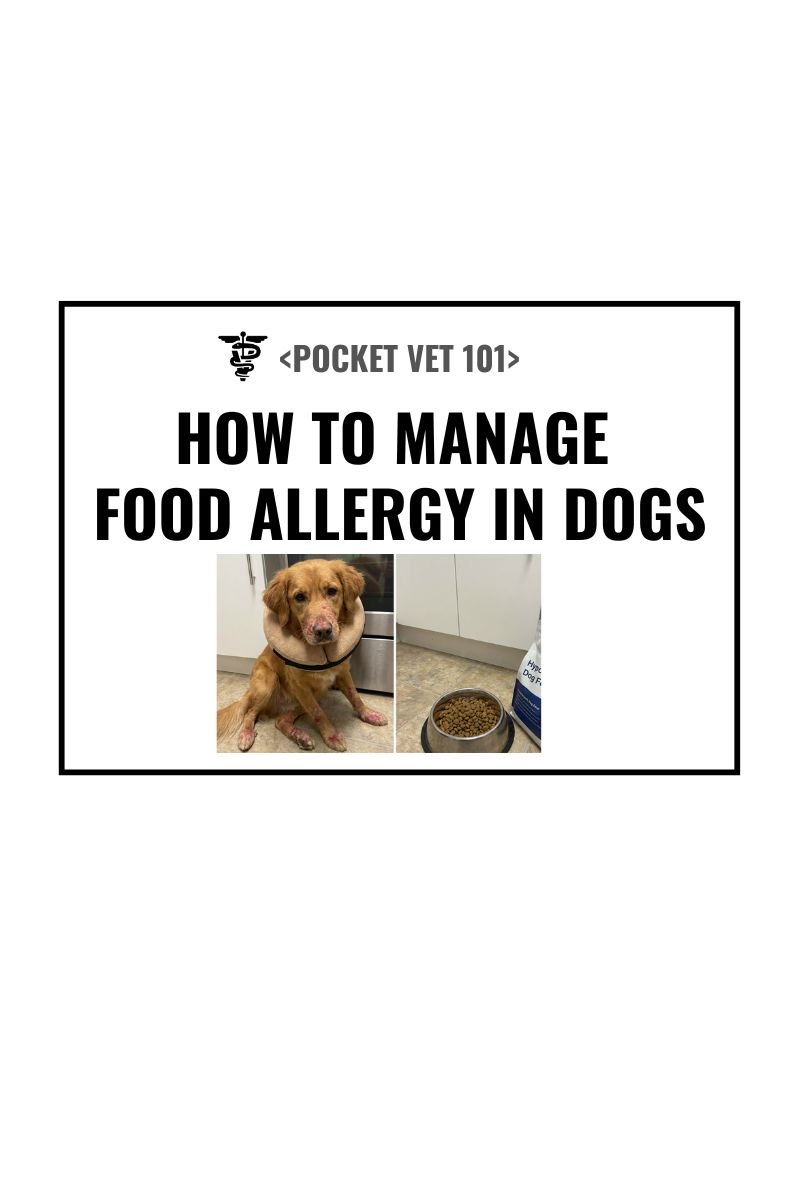
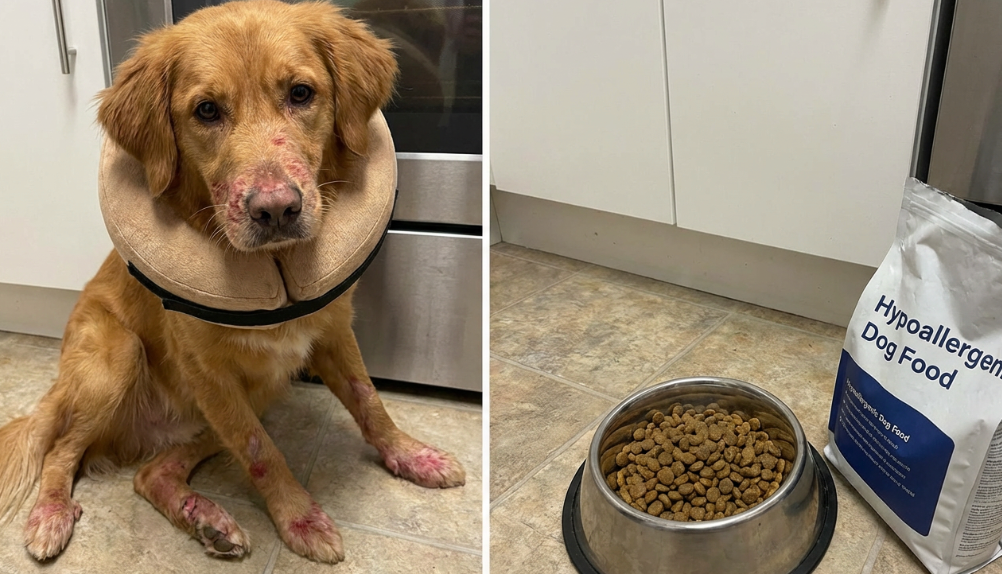
Often, these symptoms point toward a food allergy in dogs—a condition that is commonly misunderstood but entirely manageable with proper diagnosis and dietary intervention.
Food allergy in dogs has become increasingly recognized in veterinary medicine, and thanks to the 2026 veterinary guidelines, we now have more refined diagnostic protocols, science-backed treatment options, and effective prevention strategies. This comprehensive guide will help you understand what food allergies are, how to recognize the symptoms, what diagnostic steps your veterinarian will take, and how to treat and prevent allergic reactions through proper nutrition and care.
What Is Food Allergy in Dogs?
A food allergy in dogs is an abnormal immune response to specific proteins or ingredients in their diet. Unlike food intolerance (which causes digestive issues without immune involvement), a true food allergy triggers an immune-mediated reaction that often manifests as skin inflammation, itching, or gastrointestinal distress.
The immune system mistakenly identifies harmless food proteins—such as chicken, beef, dairy, or wheat—as dangerous invaders, releasing inflammatory chemicals like histamine. This leads to the characteristic symptoms associated with food allergy in dogs.
It’s important to note that food allergy in dogs can develop at any age, even to foods your dog has eaten for years without issue. According to recent veterinary literature, food allergies account for approximately 10–15% of all canine allergies, making them less common than environmental allergies but still a significant health concern.
Common Food Allergens in Dogs
While any ingredient can theoretically cause a food allergy in dogs, research consistently identifies certain proteins as the most common culprits:
Most Common Allergens:
- Beef (34% of cases)
- Dairy products (17%)
- Chicken (15%)
- Wheat/gluten (13%)
- Lamb (14%)
- Soy (6%)
- Egg (5%)
- Corn (4%)
It’s worth noting that grain-free doesn’t mean allergy-free. Many dogs with food allergy in dogs react to animal proteins rather than grains, contradicting the popular misconception that grains are the primary problem.
Symptoms of Food Allergy in Dogs
The clinical signs of food allergy in dogs can vary widely but generally fall into two categories: dermatological (skin-related) and gastrointestinal.
Dermatological Symptoms (Most Common):
- Persistent itching (pruritus), especially affecting:
- Face and muzzle
- Ears and ear canals
- Paws and between toes
- Armpits and groin
- Belly
- Red, inflamed skin or hot spots
- Chronic or recurrent ear infections
- Hair loss from excessive scratching or licking
- Skin infections (bacterial or yeast) secondary to damaged skin barrier
- Thickened, darkened skin in chronic cases
Gastrointestinal Symptoms:
- Chronic diarrhea or soft stools
- Vomiting (intermittent or persistent)
- Increased frequency of bowel movements
- Flatulence or abdominal discomfort
- Weight loss despite normal appetite
- Poor coat quality
Other Signs:
- Excessive paw licking or chewing
- Face rubbing against furniture or carpet
- Anal gland problems
- Behavioral changes due to discomfort
Key Characteristic: Unlike seasonal environmental allergies, food allergy in dogs causes year-round symptoms that don’t improve during winter months.
Diagnosis of Food Allergy in Dogs (2026 Updated Protocols)
Diagnosing food allergy in dogs requires patience and systematic investigation. There is no single reliable blood or skin test that can definitively diagnose food allergies in dogs—the gold standard remains the elimination diet trial.
Step 1: Complete Medical History
Your veterinarian will document:
- Current and past diets (including treats, table scraps, flavored medications)
- Symptom timeline and severity
- Previous treatments and their effectiveness
- Environmental factors and seasonal patterns
Step 2: Rule Out Other Conditions
Before confirming food allergy in dogs, other causes must be excluded:
- Flea allergy dermatitis (flea comb examination)
- Environmental allergies (atopic dermatitis)
- Parasitic infections (skin scrapings for mites)
- Bacterial or yeast infections (cytology)
- Hormonal disorders (thyroid testing)
Step 3: Elimination Diet Trial (Gold Standard)
This is the only definitive way to diagnose food allergy in dogs.
Protocol:
- Feed a strict novel protein or hydrolyzed protein diet for 8–12 weeks minimum
- Novel protein = a protein source your dog has never eaten (e.g., venison, kangaroo, duck)
- Hydrolyzed protein = proteins broken down into tiny molecules that don’t trigger immune response (e.g., Hill’s z/d, Royal Canin Hydrolyzed Protein)
Critical Rules During Trial:
- Absolutely NO treats, table scraps, flavored medications, or chew toys
- No access to other pet food in multi-pet households
- All family members must comply strictly
What to Expect:
- Improvement typically occurs within 4–8 weeks if food allergy is present
- Complete resolution may take up to 12 weeks
Step 4: Provocation (Challenge) Phase
Once symptoms resolve:
- Reintroduce the original diet to confirm symptoms return (usually within 7–14 days)
- If symptoms recur, food allergy in dogs is confirmed
- Individual ingredients can then be tested one at a time to identify specific allergens
Step 5: Advanced Diagnostics (When Needed)
- Serum IgE or IgG testing: Available but controversial; studies show variable accuracy
- Patch testing: Emerging research in 2026 shows promise for identifying contact food allergens
- Gastrointestinal biopsy: Rarely needed, reserved for severe inflammatory bowel disease cases
Treatment of Food Allergy in Dogs
The cornerstone of treating food allergy in dogs is permanent dietary management. Unlike environmental allergies that may require medication, food allergies can often be controlled entirely through diet.
1. Long-Term Hypoallergenic Diet
Once the elimination trial confirms food allergy in dogs, your dog must stay on the hypoallergenic diet indefinitely.
Options include:
a. Novel Protein Diets
Commercial or homemade diets using proteins your dog has never consumed:
- Venison, kangaroo, rabbit, duck, alligator, or fish (if never fed before)
- Examples: Blue Buffalo Limited Ingredient, Natural Balance L.I.D.
b. Hydrolyzed Protein Diets
Prescription diets where proteins are broken into small peptides:
- Hill’s Prescription Diet z/d
- Royal Canin Hydrolyzed Protein
- Purina Pro Plan HA
These are highly effective and recommended by the 2026 guidelines for dogs with multiple food sensitivities.
c. Home-Cooked Diets
Prepared under veterinary nutritionist guidance to ensure balanced nutrition:
- Must include appropriate protein, carbohydrate, fat, vitamins, and minerals
- Requires careful formulation to avoid nutritional deficiencies
2. Treat Secondary Infections
Food allergy in dogs often causes secondary skin or ear infections requiring treatment:
- Antibiotics for bacterial infections (e.g., cephalexin, amoxicillin-clavulanate)
- Antifungal medications for yeast overgrowth (e.g., ketoconazole, fluconazole)
- Medicated shampoos containing chlorhexidine or miconazole
- Ear cleaners and topical treatments for chronic otitis
3. Symptomatic Relief During Transition
While waiting for the elimination diet to take full effect, veterinarians may prescribe:
- Antihistamines (cetirizine, hydroxyzine) for mild itching
- Short-term corticosteroids (prednisone) for severe flare-ups
- Oclacitinib (Apoquel) or Lokivetmab (Cytopoint) for rapid itch relief
- Omega-3 fatty acid supplements to support skin barrier function
4. Probiotic and Digestive Support
Emerging research in 2026 highlights the role of gut health in managing food allergy in dogs:
- Probiotics containing Lactobacillus and Bifidobacterium strains
- Prebiotics to support beneficial gut bacteria
- Digestive enzymes for dogs with concurrent gastrointestinal symptoms
Prevention of Food Allergy in Dogs
While you cannot entirely prevent food allergy in dogs (as genetic predisposition plays a role), you can reduce risk and manage flare-ups effectively.
1. Feed High-Quality, Balanced Diets
Choose commercial diets from reputable manufacturers that meet AAFCO (Association of American Feed Control Officials) standards. Avoid frequent diet changes, as repeated exposure to multiple proteins may increase sensitization risk.
2. Avoid Unnecessary Ingredients
Minimize treats, table scraps, and flavored supplements. If treats are necessary, use single-ingredient options that match your dog’s hypoallergenic diet.
3. Introduce New Foods Gradually
When transitioning diets, do so slowly over 7–10 days to monitor for adverse reactions.
4. Maintain Parasite Control
Flea allergies can worsen itching and complicate diagnosis of food allergy in dogs. Year-round flea prevention is essential.
5. Support Skin and Gut Health
- Omega-3 supplementation (fish oil) reduces inflammation
- Regular bathing with gentle, hypoallergenic shampoos removes surface allergens
- Probiotics maintain healthy gut microbiome
6. Regular Veterinary Monitoring
Dogs with food allergy in dogs should have biannual checkups to monitor skin health, ear condition, and nutritional status.
Breeds Predisposed to Food Allergy in Dogs
While any dog can develop food allergy in dogs, certain breeds show higher predisposition:
| Breed | Relative Risk |
|---|---|
| Labrador Retriever | High |
| Golden Retriever | High |
| German Shepherd | High |
| Cocker Spaniel | Moderate-High |
| West Highland White Terrier | High |
| Boxer | Moderate |
| Dachshund | Moderate |
| Shar-Pei | High |
| English Bulldog | Moderate-High |
When to See a Veterinarian Immediately
Contact your veterinarian if your dog exhibits:
- Severe, sudden itching or skin inflammation
- Signs of anaphylaxis (facial swelling, difficulty breathing, collapse)
- Persistent vomiting or diarrhea leading to dehydration
- Infected hot spots with pus or foul odor
- Chronic ear infections unresponsive to treatment
Early intervention prevents complications and improves quality of life for dogs with food allergy in dogs.
Final Thoughts
Food allergy in dogs is a manageable condition when properly diagnosed and treated. While it requires lifelong dietary vigilance, most dogs with food allergy in dogs live completely normal, comfortable lives once their trigger foods are identified and avoided.
The key to success lies in working closely with your veterinarian, adhering strictly to elimination diet trials, and maintaining consistent feeding practices. With the advanced diagnostic tools and therapeutic diets available in 2026 veterinary medicine, managing food allergy in dogs has never been more effective or accessible.
By understanding the signs, committing to proper diagnosis, and following evidence-based treatment protocols, you can help your dog overcome the discomfort of food allergy in dogs and enjoy a healthier, happier life.

Why is my dog having a diarrhea?