
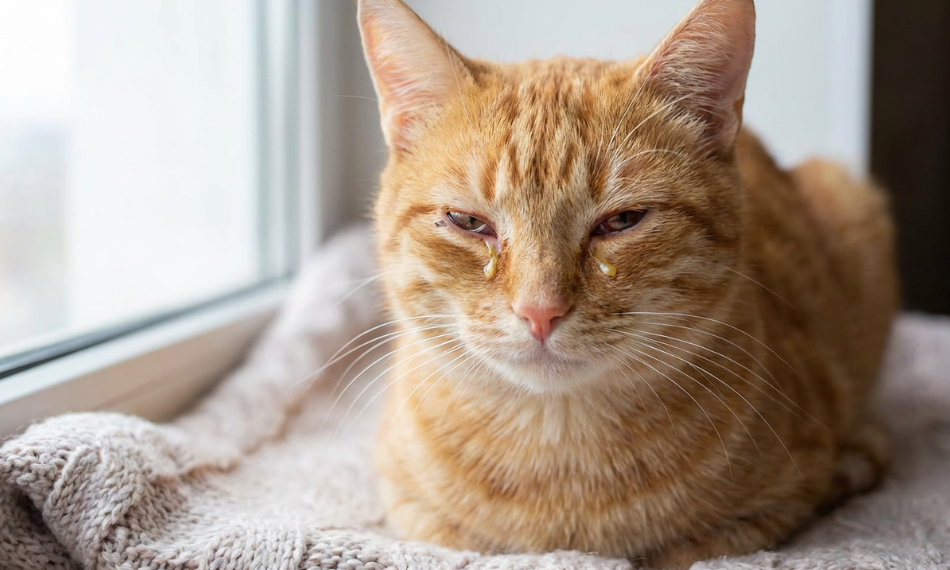
As a veterinarian who has devoted years to feline medicine, I’ve examined countless cats presenting with watery eyes—a condition that ranges from minor irritation to serious systemic disease. Cat watery eyes, medically termed epiphora, occurs when excessive tear production or inadequate tear drainage causes moisture to overflow onto the facial fur. While some cat owners dismiss watery eyes as a cosmetic concern, this symptom often signals underlying health issues requiring professional attention. This comprehensive 2026 guide synthesizes the latest veterinary research to help you understand, identify, and address cat watery eyes effectively.
Understanding Cat Watery Eyes: Anatomy and Normal Tear Function
Before exploring abnormalities causing cat watery eyes, understanding normal feline ocular anatomy provides essential context. The tear film serves critical functions: lubricating the corneal surface, providing nutrients, removing debris, and defending against pathogens.
Tears are produced by the lacrimal gland located near the upper outer eye and accessory glands within the conjunctiva. Under normal circumstances, tears spread across the eye surface with each blink, then drain through two small openings called puncta located at the inner corner of upper and lower eyelids. From the puncta, tears flow through nasolacrimal ducts into the nasal cavity—explaining why cats (and humans) often develop runny noses when crying.
According to research published in Veterinary Ophthalmology (2025), cat watery eyes develops when this delicate balance is disrupted through either overproduction of tears (hypersecretion) or inadequate drainage (impaired outflow). Understanding which mechanism is responsible guides appropriate treatment selection.
Primary Causes of Cat Watery Eyes
1. Upper Respiratory Infections (URIs)
Upper respiratory infections represent the most common cause of cat watery eyes, particularly in multi-cat households, shelters, and newly adopted kittens. These viral and bacterial infections cause conjunctivitis, rhinitis, and secondary epiphora.
Feline Herpesvirus-1 (FHV-1): This ubiquitous virus affects an estimated 80-90% of cats at some point in their lives, according to the Journal of Feline Medicine and Surgery (2025). FHV-1 causes acute conjunctivitis with profuse watery discharge that often becomes thick and purulent as secondary bacterial infections develop. The virus remains dormant in nerve ganglia after initial infection, reactivating during stress to cause recurrent cat watery eyes throughout the animal’s lifetime.
Feline Calicivirus (FCV): While primarily causing oral ulceration and respiratory signs, calicivirus infections frequently produce cat watery eyes accompanied by sneezing, nasal discharge, and fever. Research in Veterinary Microbiology (2024) identified over 40 different FCV strains with varying virulence and clinical presentations.
Chlamydia felis: This bacterium specifically targets conjunctival tissues, causing chronic conjunctivitis with persistent cat watery eyes, chemosis (conjunctival swelling), and characteristic follicle formation on the inner eyelid surface. Unlike viral infections, chlamydiosis typically presents with minimal respiratory involvement initially.
Mycoplasma Species: These bacteria often act as secondary invaders in cats with viral infections but can cause primary conjunctivitis resulting in cat watery eyes, particularly in stressed or immunocompromised animals.
Bordetella bronchiseptica: Though less common than viral agents, this bacterium causes respiratory disease including conjunctivitis and cat watery eyes, especially in crowded environments.
2. Allergic Conjunctivitis
Environmental allergens increasingly contribute to cat watery eyes in modern indoor environments. A comprehensive study in Veterinary Dermatology (2025) found that approximately 12-15% of cats with allergic disease exhibit ocular symptoms as part of their clinical presentation.
Common Allergens Causing Cat Watery Eyes:
- Pollen (trees, grasses, weeds)
- Dust and dust mites
- Mold spores
- Cigarette smoke
- Household cleaning products
- Air fresheners and scented products
- Perfumes and colognes
- Litter dust (particularly clay-based products)
- Food allergens (occasionally)
Allergic cat watery eyes typically affects both eyes symmetrically and shows seasonal variation when pollen-related. Associated symptoms include facial rubbing, mild conjunctival redness without purulent discharge, and sometimes concurrent skin manifestations.
3. Anatomical Abnormalities and Breed Predispositions
Certain cat breeds demonstrate genetic predisposition to anatomical features causing chronic cat watery eyes:
Brachycephalic Breeds: Persians, Himalayans, Exotic Shorthairs, and British Shorthairs possess shortened facial bones (brachycephaly) that distort normal nasolacrimal duct anatomy. Research published in the Journal of Veterinary Medical Science (2024) demonstrated that 65-70% of Persian cats exhibit some degree of epiphora due to:
- Shallow, prominent eye sockets (exophthalmos)
- Nasolacrimal duct kinking or narrowing
- Excessive nasal fold skin obstructing puncta
- Medial lower eyelid entropion
Scottish Folds and Munchkins: These breeds may exhibit cartilage abnormalities affecting not only ears and limbs but also eyelid structure, potentially causing cat watery eyes.
4. Nasolacrimal Duct Obstruction
The nasolacrimal drainage system can become obstructed through various mechanisms, causing cat watery eyes when tears cannot drain normally:
Congenital Atresia: Some kittens are born with incomplete nasolacrimal duct formation, causing lifelong cat watery eyes noticeable from weaning age.
Acquired Stenosis: Chronic inflammation from repeated infections gradually narrows or completely occludes nasolacrimal ducts, preventing normal drainage.
Foreign Material: Debris, inflammatory cells, or inspissated (thickened) secretions can physically block tear flow.
Dacryocystitis: Infection and inflammation of the lacrimal sac (where nasolacrimal duct begins) causes painful swelling, discharge, and cat watery eyes.
5. Eyelid Abnormalities (Conformational Defects)
Structural eyelid problems mechanically cause cat watery eyes by disrupting normal tear distribution or drainage:
Entropion: Inward rolling of eyelid margins causes eyelashes and fur to contact the corneal surface, triggering reflex tearing. Entropion can be congenital (breed-related) or acquired secondary to chronic pain/inflammation causing eyelid spasm. According to Veterinary Ophthalmology (2025), entropion-related cat watery eyes most frequently affects Persian breeds and older cats with chronic conjunctivitis.
Ectropion: Outward rolling of eyelid margins prevents proper tear film distribution and punctal contact with the eye surface, causing overflow epiphora. Ectropion is less common in cats than dogs.
Trichiasis: Abnormally directed eyelashes rubbing against the cornea stimulate excessive tearing.
Distichiasis: Extra eyelashes emerging from abnormal follicle locations contact the cornea, causing irritation and cat watery eyes.
6. Corneal Disease and Injury
Any condition damaging or irritating the corneal surface triggers reflex tear production, resulting in cat watery eyes:
Corneal Ulcers: Epithelial defects from trauma, foreign bodies, infections, or underlying disease cause severe pain and profuse tearing. Feline herpesvirus represents the leading infectious cause of corneal ulceration in cats.
Corneal Sequestrum: This unique feline condition involves corneal necrosis creating a brown-to-black plaque on the eye surface. Brachycephalic breeds and cats with chronic corneal irritation show highest risk. Research in Veterinary Ophthalmology (2024) indicates that approximately 60% of cats with sequestra exhibit chronic cat watery eyes preceding sequestrum formation.
Corneal Foreign Bodies: Plant material, dust, debris, or cat claw fragments can become lodged on or embedded in the cornea, causing extreme discomfort and cat watery eyes.
Eosinophilic Keratitis: This immune-mediated condition creates white-to-pink proliferative lesions on the corneal surface, causing irritation and cat watery eyes. The disease appears to have allergic or infectious (possibly herpesvirus) triggers.
7. Conjunctival Disease
Beyond infectious conjunctivitis already discussed, other conjunctival pathology produces cat watery eyes:
Conjunctival Foreign Bodies: Seeds, plant awns, or debris trapped under the third eyelid or within conjunctival fornices cause persistent irritation.
Symblepharon: This sequel to severe herpesvirus infection involves abnormal adhesions between bulbar (covering the eyeball) and palpebral (lining the eyelid) conjunctiva, distorting normal anatomy and causing chronic cat watery eyes.
Conjunctival Neoplasia: Though rare, tumors including squamous cell carcinoma and lymphoma can arise from conjunctival tissues, causing chronic irritation and epiphora.
8. Glaucoma
Elevated intraocular pressure (glaucoma) causes severe ocular pain that triggers reflex tearing, producing cat watery eyes along with other serious symptoms:
- Corneal edema (bluish cloudiness)
- Dilated pupil unresponsive to light
- Episcleral (white of eye) vessel engorgement
- Vision loss
- Buphthalmos (eyeball enlargement) in chronic cases
According to data from Veterinary and Comparative Ophthalmology (2025), primary glaucoma in cats is relatively uncommon compared to dogs, but secondary glaucoma from uveitis (intraocular inflammation) or lens luxation occurs more frequently and always warrants emergency attention.
9. Uveitis (Intraocular Inflammation)
Inflammation of the uveal tract (iris, ciliary body, choroid) causes pain and reflex tearing, resulting in cat watery eyes accompanied by:
- Aqueous flare (protein in anterior chamber)
- Miosis (constricted pupil)
- Conjunctival and episcleral redness
- Decreased intraocular pressure
- Photophobia (light sensitivity)
Common Causes of Feline Uveitis:
- Feline infectious peritonitis (FIP)
- Feline leukemia virus (FeLV)
- Feline immunodeficiency virus (FIV)
- Toxoplasmosis
- Systemic fungal infections
- Lymphoma
- Lens-induced inflammation
- Idiopathic (no identifiable cause)
Research in the Journal of Feline Medicine and Surgery (2024) emphasizes that uveitis in cats frequently signals serious systemic disease requiring comprehensive diagnostic investigation beyond the eye itself.
10. Third Eyelid (Nictitating Membrane) Disorders
The third eyelid plays important roles in tear distribution and protection. Disorders affecting this structure can produce cat watery eyes:
Third Eyelid Protrusion: Various conditions cause the third eyelid to elevate across the eye surface:
- Horner’s syndrome (neurologic disorder causing miosis, ptosis, and third eyelid elevation)
- Ocular pain from any cause
- Dehydration
- Weight loss with orbital fat reduction
- Haw’s syndrome (idiopathic bilateral protrusion)
Cherry Eye: Prolapse of the third eyelid gland creates a pink mass in the inner eye corner, disrupting tear dynamics and causing cat watery eyes. While common in certain dog breeds, cherry eye is relatively rare in cats.
11. Environmental Irritants
Chemical or physical irritants in a cat’s environment can cause acute cat watery eyes:
- Household cleaners and disinfectants
- Cigarette or cannabis smoke
- Cooking fumes
- Essential oil diffusers
- Dust from remodeling or construction
- Aerosol sprays (hair spray, deodorant, air freshener)
- Topical flea preventatives applied near the eyes
12. Facial Conformation and Fur Irritation
Medial Canthal Trichiasis: In cats with prominent nasal folds (particularly brachycephalic breeds), facial fur can contact the medial (inner) corneal surface, causing chronic irritation and cat watery eyes.
Caruncular Trichiasis: Hair growing from the caruncle (fleshy structure at inner eye corner) can rub against the cornea.
13. Systemic Diseases
Certain systemic conditions manifest with cat watery eyes as part of their symptom complex:
Feline Immunodeficiency Virus (FIV): Immunosuppression from FIV predisposes to chronic conjunctivitis, uveitis, and recurrent upper respiratory infections, all potentially causing cat watery eyes.
Feline Leukemia Virus (FeLV): Similar immunosuppressive effects plus direct viral effects on ocular tissues can produce cat watery eyes.
Hypertension: Severely elevated blood pressure can cause retinal detachment, intraocular hemorrhage, and secondary glaucoma, sometimes presenting with cat watery eyes.
Hyperthyroidism: While not directly causing epiphora, hyperthyroid cats may develop hypertension leading to ocular complications.
Recognizing Symptoms Accompanying Cat Watery Eyes
Cat watery eyes rarely occurs in isolation. Associated clinical signs help identify underlying causes:
Ocular Symptoms:
- Discharge character (clear/watery vs. mucoid vs. purulent)
- Unilateral (one eye) vs. bilateral (both eyes) involvement
- Squinting or blepharospasm (eyelid spasm indicating pain)
- Pawing or rubbing at eyes
- Conjunctival redness (hyperemia)
- Swelling around eyes
- Cloudiness of cornea or interior eye structures
- Visible third eyelid elevation
- Crusty material on eyelids or facial fur
- Brown-to-reddish tear staining on facial fur
Respiratory Symptoms:
- Sneezing
- Nasal discharge
- Difficulty breathing or increased respiratory effort
- Open-mouth breathing
Behavioral Changes:
- Decreased appetite
- Lethargy or hiding
- Photophobia (avoiding bright light)
- Decreased grooming
- Fever
Systemic Symptoms:
- Weight loss
- Vomiting or diarrhea
- Oral ulcers
- Enlarged lymph nodes
Comprehensive Diagnostic Approach to Cat Watery Eyes
When examining a cat with watery eyes, I follow systematic diagnostic protocols to identify underlying causes:
Step 1: Detailed History Collection
Thorough history-taking provides crucial diagnostic clues:
- Duration of cat watery eyes (acute vs. chronic)
- Unilateral vs. bilateral onset and progression
- Environmental changes or exposures
- Contact with other cats
- Vaccination status
- Previous episodes and responses to treatment
- Indoor vs. outdoor lifestyle
- Concurrent symptoms
- Diet and any recent changes
- Stress factors (moving, new pets, construction)
Step 2: Comprehensive Physical Examination
General Physical Assessment:
- Body condition score
- Hydration status
- Temperature
- Respiratory rate and character
- Oral cavity examination (ulcers, dental disease)
- Lymph node palpation
- Thoracic auscultation
Detailed Ophthalmic Examination:
External Examination (no specialized equipment required):
- Facial symmetry
- Periocular swelling or masses
- Eyelid position and movement
- Third eyelid position
- Discharge character and quantity
- Tear staining patterns
- Evidence of trauma
- Pupil size and symmetry
- Menace response (blink when threatened) testing vision
Close-Up Examination (using magnification):
- Eyelid margin abnormalities
- Eyelash direction and abnormalities
- Conjunctival color, swelling, follicles, or masses
- Scleral and episcleral vessel appearance
- Corneal clarity, smoothness, and foreign bodies
- Anterior chamber depth and clarity
- Iris color, texture, and pupil shape
Step 3: Specialized Ophthalmic Diagnostic Tests
Schirmer Tear Test (STT): This test measures tear production quantity using standardized paper strips placed in the lower eyelid for one minute. While cat watery eyes typically suggests excessive tearing, STT confirms whether true overproduction exists or if the problem involves drainage obstruction with normal tear volume. According to Veterinary Ophthalmology (2025), normal feline STT values range from 10-20 mm/minute, though significant individual variation exists.
Fluorescein Staining: This orange dye adheres to corneal stroma exposed by epithelial defects (ulcers), revealing injuries invisible to naked eye examination. Fluorescein also assesses nasolacrimal duct patency—dye instilled in the eye should appear at the nostril within 2-5 minutes if drainage is normal. Absence of nasal dye appearance in cats with watery eyes suggests nasolacrimal duct obstruction.
Rose Bengal or Lissamine Green Staining: These stains highlight devitalized epithelial cells and mucus, helping identify early ulcers, areas of feline herpesvirus activity, and conjunctival disease missed by fluorescein alone.
Tonometry: Measuring intraocular pressure using specialized instruments (TonoVet or Tono-Pen) identifies glaucoma or hypotony (abnormally low pressure from uveitis). Normal feline intraocular pressure ranges from 10-25 mmHg according to Veterinary and Comparative Ophthalmology (2024).
Cytology: Collecting conjunctival cells via gentle scraping or impression cytology allows microscopic evaluation for:
- Inflammatory cell types (neutrophils suggest bacterial infection; eosinophils suggest allergy)
- Intracellular inclusion bodies (viral infections)
- Chlamydial organisms
- Neoplastic cells
Culture and Sensitivity: When bacterial infection is suspected, culturing conjunctival swabs identifies specific organisms and determines antibiotic susceptibility—increasingly important given rising antimicrobial resistance. The 2025 guidelines from the International Society for Companion Animal Infectious Diseases recommend culture for chronic, recurrent, or treatment-resistant cat watery eyes cases.
Nasolacrimal Duct Flushing: This procedure involves cannulating the punctum and flushing sterile saline through the nasolacrimal system. Successful flushing that produces saline flow from the nostril confirms patency, while obstruction prevents flow and may allow collection of debris or inflammatory material for analysis.
PCR Testing: Polymerase chain reaction testing detects viral DNA (particularly feline herpesvirus-1) from conjunctival swabs with high sensitivity and specificity. Research in the Journal of Veterinary Diagnostic Investigation (2024) demonstrated that PCR is significantly more sensitive than viral culture for identifying FHV-1 in cats with watery eyes, though positive results don’t always prove active infection versus dormant carrier status.
Blood Testing: When systemic disease is suspected, comprehensive bloodwork includes:
- Complete blood count (CBC)
- Chemistry panel (kidney and liver function, electrolytes, glucose)
- Total T4 (thyroid screening in cats over 7 years)
- Blood pressure measurement
- FeLV/FIV testing
- Specific testing for suspected diseases (Toxoplasma titers, FIP markers, fungal serology)
Step 4: Advanced Imaging
Ocular Ultrasound: High-frequency ultrasound evaluates intraocular structures when corneal cloudiness prevents direct visualization, identifying:
- Lens position and integrity
- Vitreous abnormalities
- Retinal detachment
- Intraocular masses
- Globe integrity after trauma
Skull Radiography or CT: When nasolacrimal duct obstruction is suspected but flushing is unsuccessful, or when orbital disease is considered, imaging helps identify:
- Nasal cavity masses or foreign bodies
- Dental disease affecting nasal structures
- Bone lysis or proliferation
- Sinus disease
- Orbital masses
Fundic Examination (Ophthalmoscopy): Examining the retina and optic nerve using direct or indirect ophthalmoscopy identifies:
- Hypertensive retinopathy
- Retinal detachment
- Optic nerve changes
- Chorioretinitis patterns suggesting specific infections
Step 5: Specialty Consultation
Complex cases of cat watery eyes may warrant referral to a veterinary ophthalmologist for:
- Advanced diagnostic procedures
- Electroretinography (ERG) assessing retinal function
- Gonioscopy examining drainage angles
- Detailed surgical procedures
- Management of complicated diseases
Evidence-Based Treatment for Cat Watery Eyes
Treatment strategies must address the specific underlying cause while managing symptoms and preventing complications:
Upper Respiratory Infection Treatment
Feline Herpesvirus-1 (FHV-1) Management:
Antiviral Medications:
- Famciclovir: Currently the most effective oral antiviral for FHV-1. The 2025 guidelines from the American College of Veterinary Ophthalmology recommend 62.5 mg orally twice daily for cats under 4 kg, or 125 mg twice daily for larger cats. Treatment duration typically spans 2-3 weeks for acute flare-ups. Research published in the Journal of Feline Medicine and Surgery (2025) demonstrated that famciclovir reduces viral shedding by 85-90% and significantly decreases cat watery eyes severity.
- Topical Antiviral Preparations: Cidofovir 0.5% or idoxuridine 0.1% ophthalmic solutions applied to affected eyes 4-6 times daily help control local viral replication, though they’re less effective than systemic famciclovir.
L-Lysine Supplementation: This amino acid theoretically competes with arginine required for viral replication. While historically recommended, recent evidence published in Antiviral Research (2024) questions efficacy. Many feline specialists now consider L-lysine optional rather than essential, though some cats appear to benefit. Typical dosing is 250-500 mg orally once to twice daily.
Supportive Care:
- Humidification to loosen secretions
- Gentle cleansing of ocular and nasal discharge using warm water
- Appetite stimulation (warming food, offering strong-smelling options)
- Fluid therapy if dehydrated
- Nutritional support for anorectic cats
Secondary Bacterial Infection Treatment:
Many cats with FHV-1-induced cat watery eyes develop secondary bacterial conjunctivitis requiring antibiotic therapy:
- Topical tetracycline, erythromycin, or triple antibiotic ointment applied 3-4 times daily
- Systemic antibiotics (doxycycline, amoxicillin-clavulanate) for severe cases
Feline Calicivirus Treatment:
No specific antiviral exists for FCV. Treatment focuses on supportive care:
- Pain management (buprenorphine, gabapentin)
- Anti-inflammatory medications (meloxicam in well-hydrated cats)
- Nutritional support for cats with oral ulcers
- Broad-spectrum antibiotics if secondary bacterial infection develops
Chlamydia felis Treatment:
- Doxycycline: 5-10 mg/kg orally once to twice daily for minimum 4 weeks. Shorter courses risk treatment failure and carrier development. Research in Veterinary Microbiology (2025) emphasizes treating all cats in multi-cat households simultaneously to prevent reinfection.
- Topical tetracycline ointment: Adjunctive therapy applied to affected eyes 3-4 times daily.
- Azithromycin: Alternative for cats that cannot tolerate doxycycline (which may cause esophageal strictures if not followed by food/water).
Allergic Conjunctivitis Treatment
Environmental Management:
The most effective approach involves identifying and eliminating allergen exposure:
- HEPA air filtration systems
- Regular cleaning to reduce dust and dander
- Low-dust, unscented litter
- Avoiding smoke, aerosols, and strong fragrances
- Limiting outdoor access during high pollen seasons
Topical Anti-Inflammatory Medications:
- Topical corticosteroids (prednisolone acetate, dexamethasone): Highly effective for allergic cat watery eyes but contraindicated with corneal ulcers or active herpesvirus infections. Typical regimen: apply 2-4 times daily, tapering gradually once controlled.
- Topical NSAIDs (diclofenac, ketorolac): Alternative for mild cases or when steroids are contraindicated.
- Topical cyclosporine or tacrolimus: Immunomodulatory medications that reduce inflammation while supporting tear production. Particularly useful for chronic allergic cat watery eyes requiring long-term management.
Antihistamines: Oral antihistamines show variable effectiveness in cats. Chlorpheniramine (2-4 mg per cat twice daily) or cetirizine (5 mg per cat once daily) may help some individuals.
Omega-3 Fatty Acid Supplementation: High-dose fish oil supplementation (EPA + DHA at 100-200 mg/kg daily) provides anti-inflammatory effects that may reduce allergic cat watery eyes severity according to research in Veterinary Dermatology (2024).
Anatomical Abnormality and Nasolacrimal Obstruction Treatment
Medical Management of Brachycephalic-Related Cat Watery Eyes:
- Frequent cleaning of tear staining using dilute chlorhexidine or commercial tear stain removers
- Trimming facial fur to prevent medial canthal trichiasis
- Topical lubricants to protect corneal surface
Nasolacrimal Duct Flushing: Cats with acquired stenosis may respond to gentle flushing under sedation or anesthesia, dislodging debris and inflammatory material. Multiple treatments may be necessary.
Surgical Interventions:
Entropion Correction: Surgical eyelid repositioning permanently resolves entropion-induced cat watery eyes. Techniques vary based on severity and location but generally involve removing elliptical skin sections to evert the eyelid margin.
Cryotherapy or Electrocautery: Destroying aberrant hair follicles causing trichiasis or distichiasis.
Nasolacrimal Stenting: Severely stenotic or occluded nasolacrimal ducts may benefit from temporary stent placement to maintain patency during healing.
Conjunctivorhinostomy: When complete nasolacrimal obstruction cannot be relieved, this complex surgery creates an alternative drainage pathway from the conjunctival sac directly into the nasal cavity.
Corneal Disease Treatment
Corneal Ulcer Management:
Superficial Ulcers:
- Topical broad-spectrum antibiotics (triple antibiotic, ofloxacin, ciprofloxacin) every 4-6 hours
- Topical atropine 1% once to twice daily to reduce painful ciliary spasm
- Oral pain medication (buprenorphine, gabapentin)
- Elizabethan collar to prevent self-trauma
- Recheck examinations every 3-5 days until healed
Deep or Complicated Ulcers:
- More frequent antibiotic application (every 1-2 hours initially)
- Antiviral therapy if FHV-1 involvement suspected
- Surgical intervention for descemetoceles (extremely deep ulcers) or perforations:
- Conjunctival grafts
- Corneal transposition procedures
- Temporary tarsorrhaphy (partially suturing eyelids closed)
Corneal Sequestrum Treatment:
Definitive treatment requires surgical removal (superficial keratectomy). The affected corneal tissue is carefully excised, often followed by conjunctival graft placement. According to Veterinary Ophthalmology (2024), surgical success rates exceed 90%, though recurrence affects approximately 20-25% of cases. Post-operative management includes aggressive antiviral therapy since FHV-1 is implicated in many sequestra.
Eosinophilic Keratitis Management:
- Topical corticosteroids (prednisolone acetate or dexamethasone) 3-4 times daily initially, tapering to maintenance dosing
- Topical cyclosporine or tacrolimus as steroid-sparing agents for long-term control
- Many cats require lifelong therapy to prevent recurrence
Glaucoma Treatment
Glaucoma causing cat watery eyes constitutes an ophthalmic emergency requiring immediate pressure reduction:
Medical Management:
- Topical prostaglandin analogs (latanoprost): Most effective pressure-lowering medication in cats when used early
- Topical beta-blockers (timolol): Reduce aqueous humor production
- Topical carbonic anhydrase inhibitors (dorzolamide, brinzolamide): Decrease aqueous production
- Oral carbonic anhydrase inhibitors (methazolamide): Systemic pressure reduction
- Osmotic diuretics (mannitol IV): Emergency pressure reduction
Surgical Options: Chronic or refractory glaucoma may require:
- Laser cyclophotocoagulation (destroying aqueous-producing tissue)
- Enucleation (eye removal) for blind, painful eyes
- Evisceration with intrascleral prosthesis (cosmetic alternative to enucleation)
Uveitis Treatment
Anti-Inflammatory Therapy:
- Topical corticosteroids: Prednisolone acetate 1% every 2-6 hours depending on severity (only after ruling out corneal ulcers)
- Topical NSAIDs: Flurbiprofen, diclofenac as alternatives or adjuncts to steroids
- Systemic anti-inflammatory medications: Oral prednisolone (1-2 mg/kg once to twice daily) for severe cases
Mydriatics/Cycloplegics:
- Topical atropine 1% once to twice daily prevents painful ciliary spasm and reduces risk of posterior synechia (iris adhesion to lens)
Treat Underlying Cause: When systemic disease triggers uveitis, addressing the primary condition is essential:
- Antifungal therapy for systemic mycoses
- Chemotherapy for lymphoma
- Supportive care for FIP (though prognosis remains grave despite recent antiviral developments)
Supportive Care for All Cat Watery Eyes Cases
Gentle Cleaning: Remove discharge gently using:
- Warm water on soft cloth or gauze
- Commercial eye wipes formulated for pets
- Dilute sterile saline solution
- Clean 2-4 times daily or as needed
Elizabethan Collar: Prevent self-trauma from pawing or rubbing, which can worsen cat watery eyes and cause secondary injury.
Environmental Optimization:
- Reduce stress through environmental enrichment
- Provide quiet, comfortable spaces
- Maintain routine feeding and interaction schedules
- Ensure easy access to food, water, and litter boxes
Nutritional Support: Maintain adequate nutrition even in cats with decreased appetite:
- Offer highly palatable foods
- Warm food to enhance aroma
- Hand-feed if necessary
- Consider appetite stimulants (mirtazapine, capromorelin) for prolonged anorexia
Comprehensive Prevention Strategies for Cat Watery Eyes
1. Vaccination and Infection Prevention
Core Vaccination Protocol: Ensure all cats receive appropriate vaccinations:
- FVRCP (feline viral rhinotracheitis/herpesvirus, calicivirus, panleukopenia) starting at 6-8 weeks, boostered every 3-4 weeks until 16 weeks old, then at 1 year and every 3 years thereafter
- While vaccination doesn’t prevent infection completely, vaccinated cats develop milder disease with less severe cat watery eyes
Quarantine New Cats: Isolate new additions for minimum 2 weeks before introducing to resident cats, monitoring for respiratory signs and cat watery eyes.
Minimize Stress: Stress reactivates latent herpesvirus, triggering cat watery eyes. Stress reduction strategies include:
- Gradual introduction of environmental changes
- Pheromone diffusers (Feliway)
- Adequate resources (litter boxes, food bowls, water sources) in multi-cat households
- Vertical space and hiding areas
- Consistent routines
2. Environmental Allergen Control
Air Quality Management:
- HEPA filtration systems
- Regular HVAC filter replacement
- Minimize perfumes, air fresheners, and aerosols
- Avoid smoking indoors
Low-Dust Litter: Choose low-dust, unscented litter formulations. Crystal, paper-based, or dust-free clay litters reduce respiratory and ocular irritation.
Cleaning Product Selection: Use pet-safe, fragrance-free cleaning products. Rinse surfaces thoroughly before allowing cat access.
3. Regular Grooming and Facial Care
Brachycephalic Breeds: Daily facial fold cleaning prevents bacterial overgrowth and fur-induced irritation:
- Gently clean skin folds using soft, damp cloth
- Dry thoroughly to prevent moisture accumulation
- Trim medial canthal fur if it contacts eyes
- Remove tear staining regularly to prevent secondary skin infections
Regular Brushing: Reduce environmental allergen load by:
- Daily brushing to remove loose fur and dander
- Bathing as needed (cats tolerate bathing less than dogs, but some adapt)
- Cleaning bedding weekly
4. Environmental Enrichment and Stress Reduction
Physical Exercise: Provide opportunities for natural hunting behaviors:
- Interactive play sessions (15-20 minutes twice daily)
- Puzzle feeders
- Rotating toy selection
- Vertical climbing opportunities
Mental Stimulation:
- Window perches for outdoor viewing
- Cat TV or videos
- Clicker training
- Food puzzles
Safe Outdoor Access: Consider:
- Enclosed “catios”
- Leash training for supervised outdoor time
- Window boxes with screening
5. Routine Veterinary Care
Regular Examinations: Annual wellness visits (semi-annual for senior cats over 10 years) allow early detection of conditions before severe cat watery eyes develops.
Dental Care: Dental disease can contribute to upper respiratory issues and cat watery eyes. Maintain oral health through:
- Daily tooth brushing
- Dental treats and toys
- Professional cleaning when indicated
- Addressing dental disease promptly
Monitoring Chronic Conditions: Cats with systemic diseases predisposing to cat watery eyes (FIV, FeLV, hyperthyroidism) require regular monitoring and optimized disease management.
6. Nutrition and Supplementation
High-Quality Diet: Feed AAFCO-certified diets appropriate for life stage:
- Kitten formulations for growing cats
- Adult maintenance for healthy adults
- Senior formulations for cats over 10 years
- Therapeutic diets when specific conditions are diagnosed
Omega-3 Fatty Acids: Consider supplementation in cats with allergic tendencies or chronic inflammatory conditions.
Adequate Hydration: Ensure constant access to fresh water:
- Multiple water stations
- Fountain-style bowls (many cats prefer moving water)
- Wet food to increase moisture intake
7. Breed-Specific Considerations
Brachycephalic Breeds: Owners of Persians, Himalayans, and Exotic Shorthairs should:
- Accept that some degree of cat watery eyes is normal for their breed
- Maintain meticulous facial hygiene
- Monitor closely for infection or ulceration
- Consider preventive surgical consultation if cat watery eyes becomes severe
Breeds Predisposed to Corneal Sequestrum: Persian, Himalayan, and Burmese cats benefit from:
- Aggressive herpesvirus management
- Prompt treatment of any corneal irritation
- Avoiding trauma to eyes
8. Multi-Cat Household Management
Adequate Resources: The formula is number of cats + 1 for:
- Litter boxes
- Food stations
- Water sources
Space and Territory: Provide:
- Multiple resting areas at various heights
- Hiding spots
- Separate rooms or zones if needed
Disease Control: When one cat develops infectious cat watery eyes:
- Isolate affected individuals
- Disinfect shared resources
- Consider treating all cats if chlamydia is diagnosed
- Monitor others closely for signs
Special Considerations for High-Risk Cats
Kittens
Young cats face highest risk for severe upper respiratory infections causing cat watery eyes:
- Ensure appropriate vaccination
- Minimize stress during critical socialization period
- Isolate from adult cats until fully vaccinated
- Address cat watery eyes promptly as kittens can deteriorate quickly
Immunocompromised Cats
Cats with FIV, FeLV, diabetes, or receiving immunosuppressive medications experience more severe infections:
- Maintain strict indoor lifestyle
- Avoid exposure to other cats
- Prompt treatment of any cat watery eyes
- Consider prophylactic antiviral therapy during stress periods
Senior Cats
Older cats (over 10 years) warrant enhanced monitoring:
- Semi-annual veterinary examinations
- Bloodwork screening for systemic diseases
- Blood pressure monitoring
- Early investigation of cat watery eyes
Shelter and Rescue Cats
High-density housing creates ideal conditions for respiratory disease spread:
- Vaccination upon intake
- Isolation housing until health status assessed
- Environmental enrichment and stress reduction
- Rapid identification and treatment of cat watery eyes
- Separate air handling systems between cat areas when possible
When to Seek Emergency Veterinary Care
While many cases of cat watery eyes can be scheduled for regular appointments, certain situations demand immediate attention:
Emergency Indicators:
- Sudden onset of severe squinting with colored discharge
- Cloudy, blue cornea suggesting glaucoma or severe uveitis
- Visible trauma to the eye
- Sudden vision loss
- Severe pain (hiding, aggressive when approached, vocalization)
- Cat watery eyes accompanied by difficulty breathing
- Completely closed, swollen eye
- Pupils of different sizes (anisocoria)
- Protruding eyeball (proptosis)
- Known toxin exposure
Corneal ulcers can perforate within hours, and glaucoma causes irreversible vision loss quickly, making these true emergencies despite causing “just” cat watery eyes initially.
Prognosis and Long-Term Outlook
The prognosis for cats with watery eyes varies dramatically based on the underlying cause:
Excellent Prognosis:
- Simple bacterial conjunctivitis (complete resolution expected)
- Allergic conjunctivitis with identifiable, removable allergen
- Superficial corneal ulcers (typically heal within 5-7 days)
- Foreign body removal
- Successful entropion correction
Good Prognosis:
- Feline herpesvirus infections (controllable with treatment, though recurrence expected)
- Chlamydial conjunctivitis (responds well to appropriate antibiotics)
- Nasolacrimal duct obstruction (often responsive to flushing or surgery)
- Eosinophilic keratitis (controllable with medication)
Guarded Prognosis:
- Corneal sequestrum (high surgical success but 20-25% recurrence rate)
- Secondary glaucoma (vision preservation depends on early, aggressive treatment)
- Chronic uveitis (difficult to control, may cause secondary complications)
- Symblepharon (permanent anatomical changes, though cat watery eyes can be managed)
Poor Prognosis:
- Advanced glaucoma (often results in blindness and chronic pain requiring enucleation)
- Uveitis secondary to FIP (progressive systemic disease)
- Malignant ocular neoplasia (lymphoma, squamous cell carcinoma)
- Severe corneal perforation with lens extrusion
Living with a Cat Prone to Cat Watery Eyes
Many cats—particularly brachycephalic breeds and herpesvirus carriers—experience chronic or recurrent cat watery eyes requiring ongoing management:
Home Monitoring: Check eyes daily for:
- Changes in discharge character or quantity
- New squinting or rubbing
- Corneal cloudiness
- Increasing redness
- Decreased appetite or activity
Medication Compliance: Administering feline eye medications can be challenging. Tips for success:
- Wrap cat in towel burrito
- Approach from behind and above
- Use treat rewards after medication
- Apply ointments at bedtime when cat is relaxed
- Ask for demonstrations from veterinary staff
- Consider compounded formulations if commercial products are difficult to use
Maintaining Routine: Cats thrive on consistency. Maintain:
- Regular feeding schedules
- Predictable medication timing
- Consistent play and interaction
- Stable environmental conditions
Communication with Your Veterinarian: Keep detailed records:
- Symptom diaries noting cat watery eyes severity
- Medication administration logs
- Trigger identification (stress events, season, etc.)
- Questions or concerns between visits
