
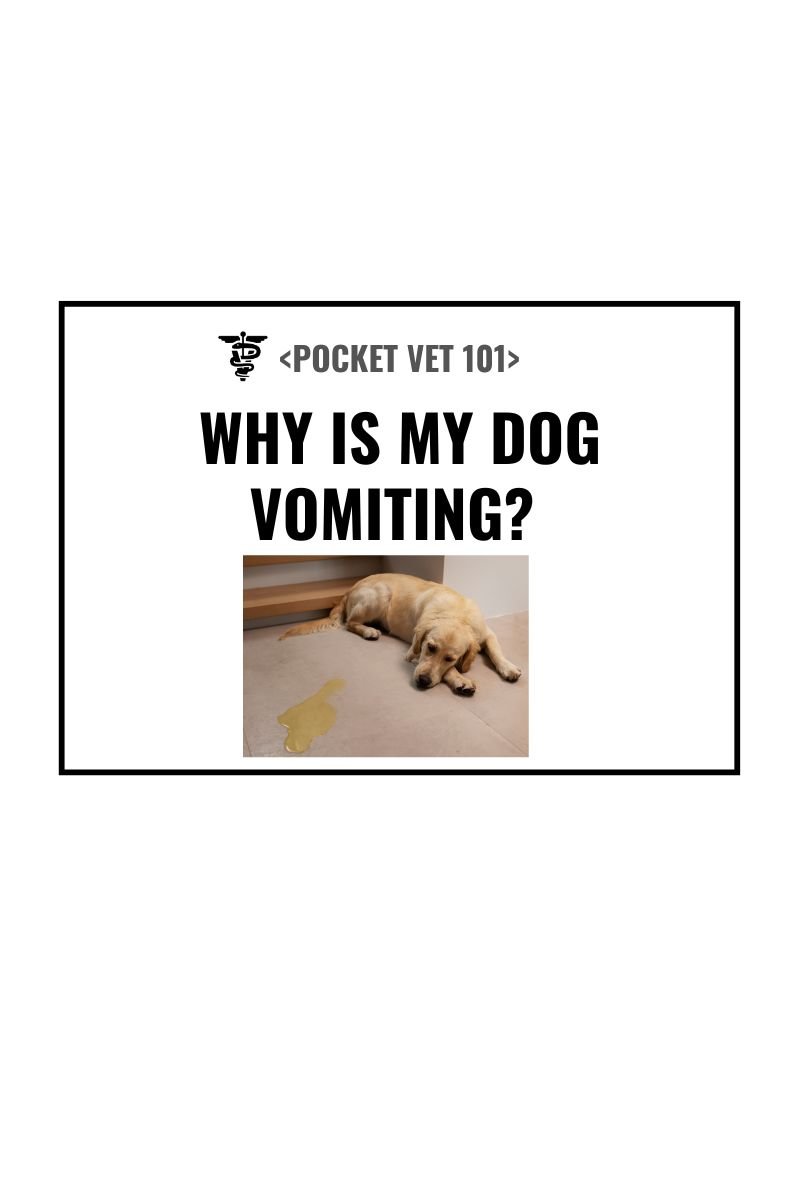
As a veterinarian, I often receive concerned calls from pet owners who notice their dog vomiting suddenly or repeatedly. While the sight of vomit is never pleasant, the color, frequency, and consistency of your dog’s vomitus can reveal valuable clues about what’s going on inside their body. Vomiting can range from a mild gastrointestinal upset to a symptom of a serious underlying illness — and understanding those distinctions can make a huge difference in your dog’s health outcomes.
Understanding Vomiting in Dogs
Vomiting is the active ejection of stomach contents through the mouth, triggered by irritation or stimulation of the “vomit center” in the brain. This is different from regurgitation, which is a passive process where undigested food is expelled without nausea or abdominal effort.
Dogs vomit for multiple reasons ranging from dietary indiscretion (eating garbage or spoiled food) to more severe conditions like pancreatitis, liver disease, kidney failure, or intestinal obstruction. Identifying the cause requires a combination of history, physical exam, and sometimes diagnostic testing.
Common Causes of Vomiting in Dogs
1. Dietary Indiscretion
This is the classic “garbage gut” scenario—dogs ingest something they shouldn’t, such as table scraps, bones, or non-food items. Mild cases usually resolve in 12–24 hours, but persistent vomiting warrants veterinary care.
2. Gastrointestinal Obstruction
Foreign objects like toys, socks, or bones can block the stomach or intestines. Dogs with obstructions often vomit repeatedly, lose appetite, and become lethargic. This condition requires urgent surgical intervention.
3. Gastroenteritis (Inflammation of the Stomach and Intestines)
Can be caused by infections (bacterial, viral), parasites, or toxins. Accompanied by diarrhea and dehydration if severe.
4. Pancreatitis
Inflammation of the pancreas, often triggered by fatty meals, leads to vomiting, abdominal pain, and lethargy. Pancreatitis can be life-threatening and is seen most frequently in middle-aged or overweight dogs.
5. Motion Sickness
Common in puppies and anxious dogs, triggered by car rides or travel. Antinausea medications and conditioning techniques help manage it.
6. Systemic Diseases
Kidney failure, liver disease, Addison’s disease, or diabetes can all cause chronic vomiting. Bloodwork and imaging are usually needed to identify these underlying issues.
Interpreting the Color of Dog Vomit: What Each Color Can Mean
The color of vomitus is not only unpleasant to look at—it’s also diagnostically valuable. Below is a breakdown of what different colors may indicate:
1. Yellow Vomit (Bile-Stained)
- Cause: Often occurs when a dog vomits on an empty stomach; bile reflux irritates the stomach lining.
- Possible Conditions: Bilious vomiting syndrome, indigestion, or chronic acid buildup.
- Action: Feeding smaller, more frequent meals may reduce irritation. Persistent bile vomiting needs veterinary evaluation for possible reflux or intestinal issues.
2. White or Foamy Vomit
- Cause: Mucus or foam produced when the stomach is irritated but empty.
- Possible Conditions: Gastritis, kennel cough (if gagging precedes vomiting), acid reflux, or mild GI irritation.
- Action: Monitor hydration and withhold food for several hours, then offer bland meals (boiled chicken and rice). If ongoing, check for gastritis or infections.
3. Clear Liquid Vomit
- Cause: Usually indicates regurgitated water, or recent excessive drinking followed by nausea.
- Possible Conditions: Gastroenteritis, foreign body, or infection.
- Action: Withhold water briefly, then offer small sips. Persistent clear vomiting may indicate an obstruction.
4. Green Vomit
- Cause: Presence of bile or ingestion of grass or toxins.
- Possible Conditions: Bile reflux, stomach irritation, or possible ingestion of poisonous plants.
- Action: If your dog has eaten grass occasionally and vomits once, it may be normal. Repeated green vomiting requires veterinary care.
5. Brown or Coffee-Ground Vomit
- Cause: Presence of digested blood or ingested fecal material.
- Possible Conditions: GI ulcer, internal bleeding, ingestion of toxic substances like chocolate or rodenticides.
- Action: Emergency situation. Seek immediate veterinary attention—dark vomit could signal bleeding in the GI tract.
6. Red or Bloody Vomit
- Cause: Fresh blood or damaged stomach lining.
- Possible Conditions: Stomach ulcer, trauma from foreign objects, parvovirus, or ingestion of sharp materials.
- Action: Immediate veterinary emergency. Dogs showing red vomit, weakness, or pale gums require urgent treatment.
7. Black Vomit
- Cause: Dried or partially digested blood, internal bleeding, or ingestion of dirt/charcoal-like materials.
- Action: Treat as a critical emergency—this may point to serious internal bleeding.
8. Pink Vomit
- Cause: Sometimes appears when dogs lick or chew on toys with dye or minor irritation in the mouth or esophagus.
- Possible Conditions: Mild irritation, toxin ingestion, or blood-tinged secretions.
- Action: Monitor closely—if repeated, see a vet to rule out bleeding.
Diagnostic Approach: What Your Veterinarian Will Check
When vomiting persists, your veterinarian will perform a thorough evaluation, including:
- History Taking: Dietary changes, medications, timing, frequency, and appearance of vomit.
- Physical Examination: Checking for abdominal pain, dehydration, and general condition.
- Diagnostic Testing:
- Bloodwork (CBC, chemistry) — assess organ function and detect infection.
- Fecal exam — rule out parasites.
- Imaging — X-rays or ultrasound to check for obstruction, tumors, or foreign bodies.
- Endoscopy — to directly visualize the stomach lining if ulcers or chronic gastritis are suspected.
In 2025, advanced imaging such as contrast CT scanning offers faster and more accurate identification of GI obstructions or masses than ever before.
Treatment for Vomiting in Dogs
Treatment depends on the underlying cause but often involves:
1. Supportive Care
- Withholding food for 8–12 hours (never water for prolonged periods).
- Introducing small amounts of bland food gradually.
- Monitoring hydration levels—check gum moisture and skin elasticity.
2. Medications
- Antiemetics (maropitant citrate, metoclopramide) help control nausea.
- Gastroprotectants (famotidine, omeprazole, sucralfate) soothe irritated stomachs.
- Fluid therapy (IV or subcutaneous) corrects dehydration and electrolyte imbalances.
- Antibiotics or anti-parasitic drugs if infection or parasites are confirmed.
3. Surgery or Advanced Care
Dogs with vomiting due to foreign objects or tumors often need surgical removal (gastrotomy or enterotomy). Prompt action reduces the risk of complications like perforation or peritonitis.
At-Home Care and Prevention
- Monitor diet carefully – Avoid table scraps and sudden food changes.
- Keep trash inaccessible – Dietary indiscretion is a leading cause of dog vomiting.
- Provide regular parasite prevention – Monthly preventives protect from roundworms and other GI parasites.
- Avoid known toxins – grapes, chocolate, onions, and xylitol are common offenders.
- Feed smaller, more frequent meals if your dog tends to vomit bile after long fasting periods.
- Keep vaccinations current – reduces risk of infectious diseases like parvovirus.
When to See a Veterinarian Immediately
Contact your veterinarian if your dog:
- Vomits multiple times in 24 hours
- Has diarrhea, lethargy, or loss of appetite
- Exhibits blood in vomit (red or brown coloration)
- Cannot keep water down
- Has signs of pain or bloating
Final Thoughts
While occasional vomiting may not be alarming, persistent or colored vomitus (especially red, brown, or black) can indicate more serious illness. Always pay attention to the frequency, timing, and color of the vomit. In veterinary medicine, even subtle differences help distinguish between a simple upset stomach and a life-threatening emergency.
If your dog is vomiting and you’re unsure why—don’t wait. Early veterinary intervention can prevent dehydration, pain, and complications, ensuring your pet returns to their happy, healthy self as quickly as possible.